Meaning of Wearing a Hijab: Headscarf, Hijab and Burka Explained
Across Malaysia and Singapore, the sight of a woman wearing a hijab or headscarf is part of everyday life. However, many people still search questions like “Which religion wears a headscarf female?” or “Who wears a hijab vs burka?”.
This guide explains the cultural meaning behind the hijab, the difference between headscarf, hijab, and burka, and how these garments are understood in Southeast Asian Muslim communities.
Why Do Women Wear a Hijab?
For many Muslim women, wearing a hijab represents modesty, faith, and identity. In Islamic teachings, modest dressing is part of a broader concept of personal conduct and humility.
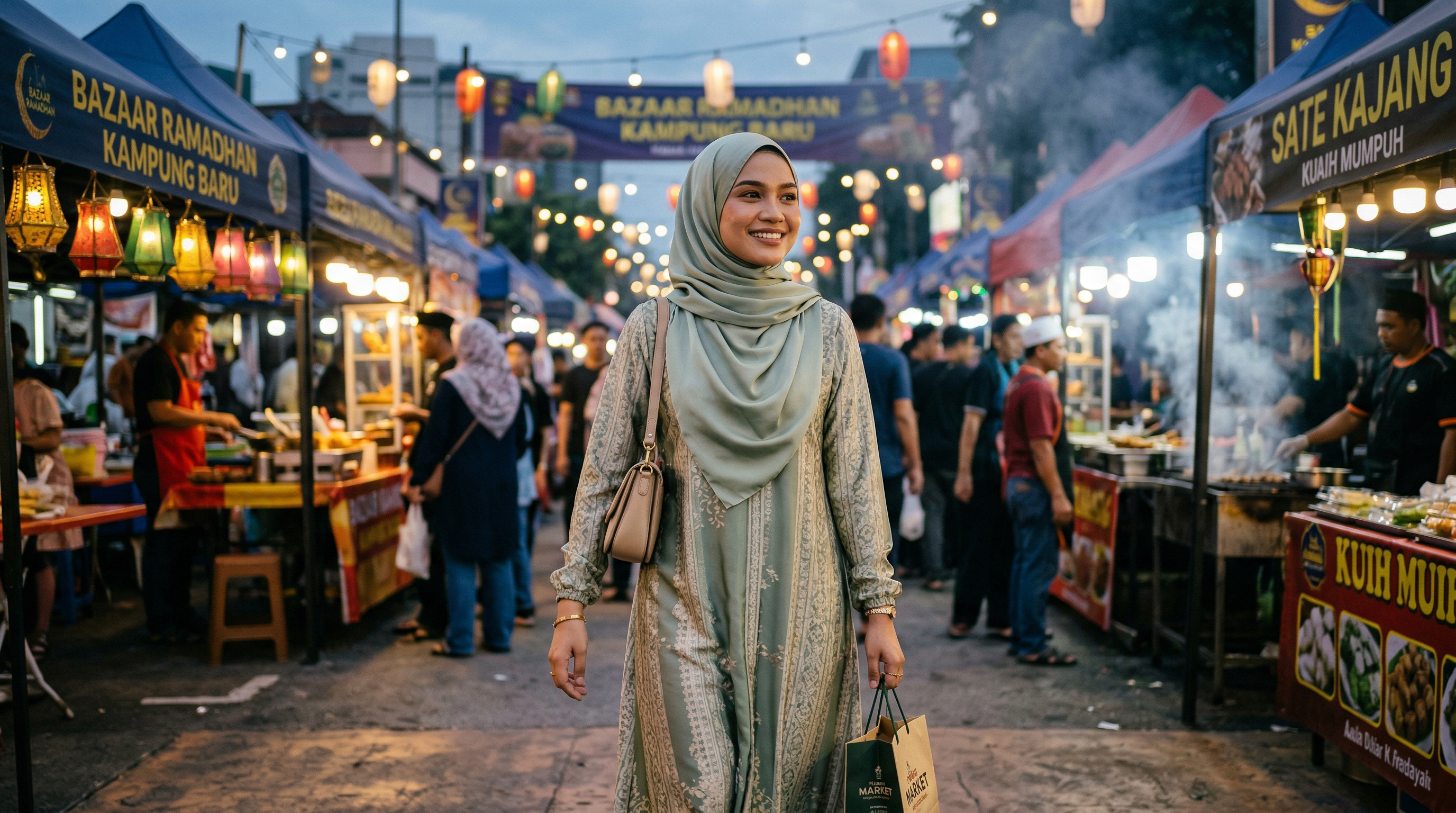
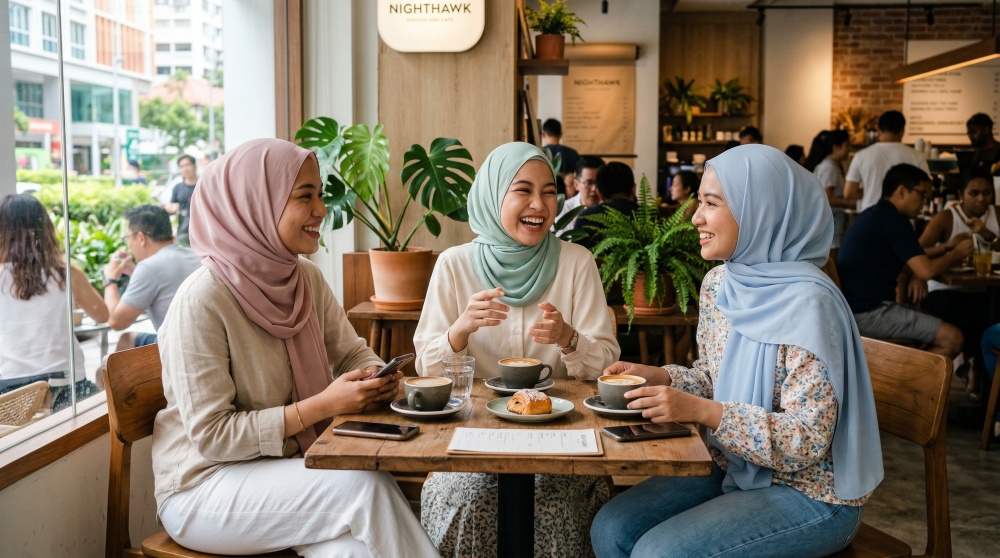
In Malaysia and Singapore, the hijab is also part of daily life and culture. Women wear it at school, work, social events, and religious gatherings.
What Is a Headscarf?
A headscarf is a general English term that refers to any cloth worn on the head. It can be worn for fashion, cultural traditions, or religious reasons.
For example:
- Some women wear headscarves for fashion.
- Others wear them for cultural traditions.
- Muslim women may wear headscarves as part of the hijab.
This means that while a hijab can be considered a type of headscarf, not every headscarf is a hijab.
What Does It Mean When a Woman Wears a Hijab?
The meaning of wearing a hijab varies from person to person. For some women, it is primarily a religious commitment. For others, it can also represent cultural belonging or personal identity.
In Southeast Asia, particularly Malaysia and Singapore, wearing a hijab often reflects a combination of faith, tradition, and modern Muslim fashion.
Who Wears a Hijab vs Burka?
Many people confuse the terms hijab and burka. These garments are quite different.
- Hijab – usually covers the hair, neck, and sometimes shoulders.
- Burka – covers the entire body including the face, with a mesh screen for the eyes.
In Malaysia and Singapore, the hijab is the most commonly worn form of modest head covering. The burka is very rare in Southeast Asia.
Which Religion Wears a Headscarf Female?
Headscarves are worn in several cultures and religions. However, the hijab specifically is associated with Islam.
Across Muslim communities worldwide, including Malaysia and Singapore, women may choose to wear a hijab as part of their faith.
Common Questions About Hijab
Is hijab only about religion?
While the hijab has religious significance in Islam, it can also represent cultural identity, personal values, and modest fashion.
Do all Muslim women wear a hijab?
No. Wearing a hijab is a personal choice. Muslim women around the world make their own decisions based on faith, culture, and personal beliefs.
Is hijab the same everywhere?
Not exactly. Different countries have different styles. For example, Malaysia commonly uses the term tudung, which refers to a specific style of hijab.
Respectful Language Guide
When discussing topics like hijab, burka, and modest clothing, it is helpful to use respectful language.
- Avoid assuming all Muslim women follow the same practices.
- Use the term “woman wearing a hijab” rather than stereotypes.
- Recognize that modest fashion varies across cultures.
In multicultural societies like Malaysia and Singapore, understanding these differences helps promote respectful conversations and cultural awareness.
Ramadan Modest Collection
Explore comfortable modest essentials designed for Ramadan and Raya.
Explore Collection →Conclusion
The terms headscarf, hijab, and burka are often misunderstood. In reality, each represents a different cultural and religious context.
Understanding these differences helps create more respectful discussions about Muslim identity, modest fashion, and cultural traditions in Malaysia, Singapore, and beyond.